

The AI Workforce Has Arrived: Why Agentic AI Will Replace Chatbots in 2026
Agentic AI is replacing chatbots in 2026. Discover how autonomous AI systems are transforming business, workflows, and the future of work.
Let’s be honest: the honeymoon phase with AI is over.
A few years ago, we were all losing our minds because a computer could write a decent poem or summarize a PDF. We treated ChatGPT like a parlor trick—a "smart" calculator that could talk back. It wrote our emails, generated some cool-looking AI art, and maybe helped us debug a bit of messy code.
But if you think that was the revolution, you’re looking in the rearview mirror.
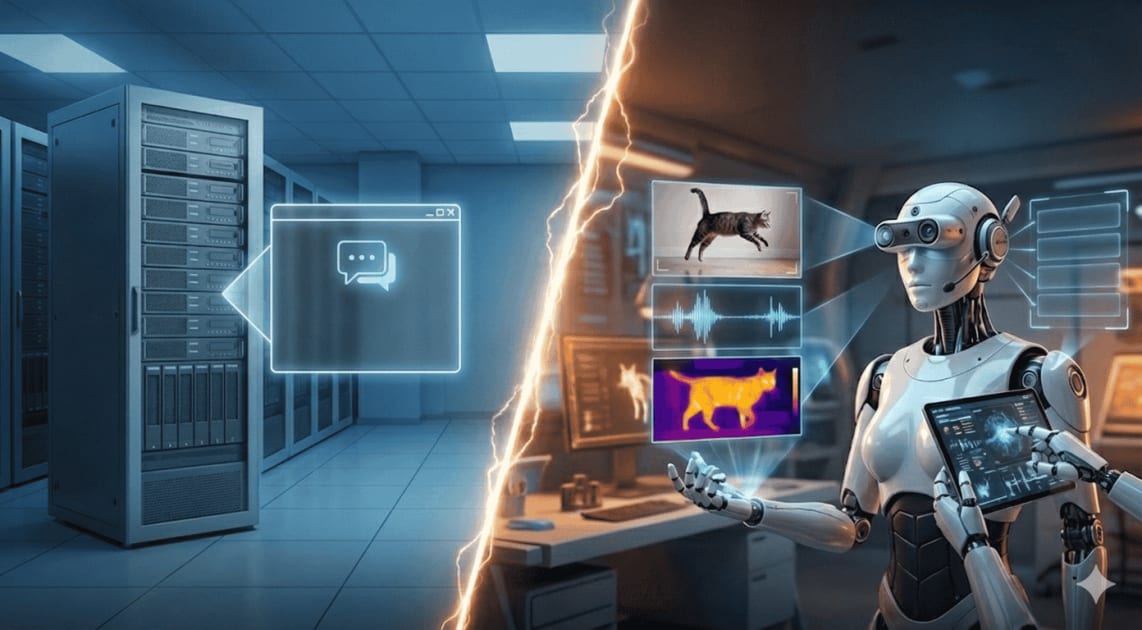
While we were busy asking AI to "write a 500-word blog post," the technology was quietly evolving into something much more intense. We are moving away from "Generative AI" (AI that talks) and sprinting toward Agentic AI (AI that does).
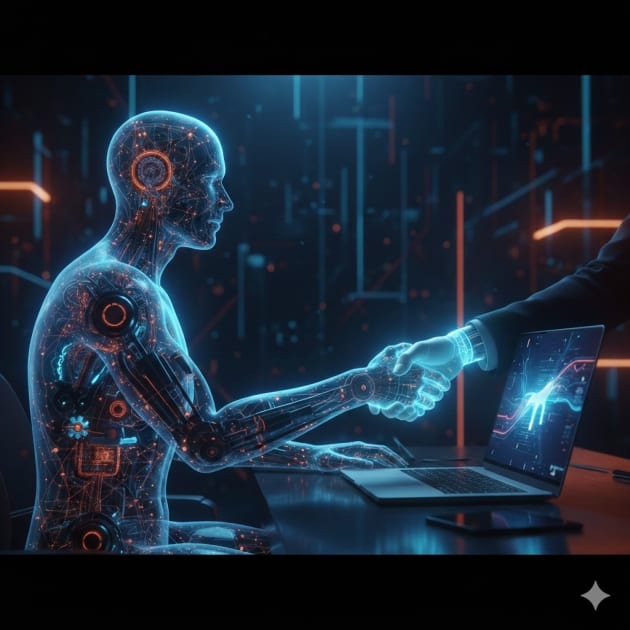
The "Assistant" era is dying. The "Partner" era is here. And if you aren't ready to change how you work, you’re about to be very, very busy doing things an algorithm can do better, faster, and while you sleep.
From "Ask and Receive" to "Set and Forget"
Most people still treat AI like a vending machine. You put in a prompt, you get a result. If the result is bad, you tweak the prompt. It’s a constant back-and-forth. It’s exhausting.
Agentic AI doesn't wait for your next prompt.
Think about the difference between a contractor and a partner.
- A contractor needs you to tell them exactly what to do: "Call this person, send this file, write this caption."
- A partner understands the goal: "We need to increase sales by 10% this month." They go out, do the research, find the leads, draft the strategy, and come back to you with a finished plan.
In 2026, AI is becoming the partner. Instead of saying, "Write a marketing email," you say, "Launch the summer campaign."
The AI doesn't just write the text. It researches your competitors’ pricing. It segments your audience. It drafts five different versions of the ad, sets up the A/B testing, monitors which one performs better, and shifts the budget in real-time.
It isn't just "generating content." It’s managing a project.
The Secret Sauce: A Memory That Never Fades
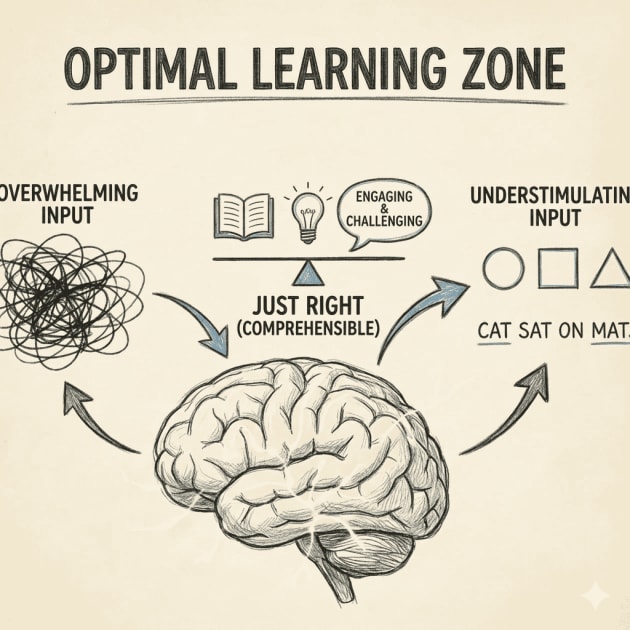
The biggest complaint about early AI was that it was "forgetful." You’d be ten prompts deep into a project, and the AI would suddenly lose the plot. It felt like working with someone who had a five-minute memory span.
That wall has been smashed.
With the rise of "long-context" models—like the latest updates to Claude and Gemini—AI can now "hold" entire libraries of information in its active mind. We’re talking about 1 million tokens or more. To put that in human terms: the AI can remember every single word of a 3-month-long project, every feedback note you ever gave it, and every technical manual in your company's database.
This changes the relationship from "temporary help" to "long-term collaborator." It knows your style. It knows your business’s "vibe." It knows what worked six months ago and why it won’t work today.
Why This is a "Human" Problem, Not a Tech Problem
We often see headlines about the "$220 billion AI market" or "CAGR growth rates." But those are just numbers for CEOs. For the rest of us—the builders, the creators, the students, and the managers—this is about survival and leverage.
The world doesn't need more "content." We are already drowning in it. The world needs results.
Businesses are no longer looking for people who can "use AI to write faster." They are looking for people who can orchestrate AI systems. Imagine a future where:
- Healthcare: An AI agent doesn't just read an X-ray; it coordinates with the pharmacy, checks the patient's insurance, and schedules the follow-up.
- Solopreneurs: A single person can run a multi-million dollar agency because they have three "agents" handling sales, customer support, and operations.
- Education: A student doesn't just get a tutor; they get a personalized "Learning Agent" that builds a curriculum based on their career goals and adjusts daily based on what they struggle with.
The Privacy Revolution: AI in Your Pocket
There’s another shift happening that no one talks about at dinner parties: On-Device AI.
Up until now, AI has lived in the "cloud." Every time you ask a question, your data travels to a massive server farm. It’s slow, it’s expensive, and for many companies, it’s a massive privacy risk.
But thanks to new chips from companies like Nvidia and Apple, the AI is moving onto your phone and laptop.
Why should you care? Because when AI lives locally on your device, it can be 100% private. It can look at your personal files, your private emails, and your calendar without ever sending that data to a big tech company. It becomes a truly personal agent. It’s faster, it works offline, and it knows you better than any cloud-based bot ever could.
The "Catch": The Responsibility Gap
Here is the uncomfortable part. If an AI agent makes a decision that loses money, who is at fault? If two autonomous agents collaborate and create a strategy that is technically efficient but ethically wrong, who gets fired?
As we give AI the power to act, we have to develop the wisdom to govern. We aren't just "prompt engineers" anymore. We are becoming "AI Governors." Our job is no longer to do the work, but to set the boundaries, define the ethics, and audit the results.
Final Thoughts: Tool or Partner?
We are officially entering the Autonomous Era. The biggest mistake you can make right now is thinking, "I’ll learn AI later when it’s more stable." By the time it’s "stable," the roles will already be filled by those who treated AI as a partner while everyone else treated it as a toy.
The competitive advantage in 2026 isn't knowing how to talk to a chatbot. It’s knowing how to build, manage, and trust a digital workforce.
So, ask yourself: Are you going to keep treating AI like a better version of Google? Or are you ready to start leading a team of autonomous thinkers?
The shift is quiet. The impact will be deafening.